

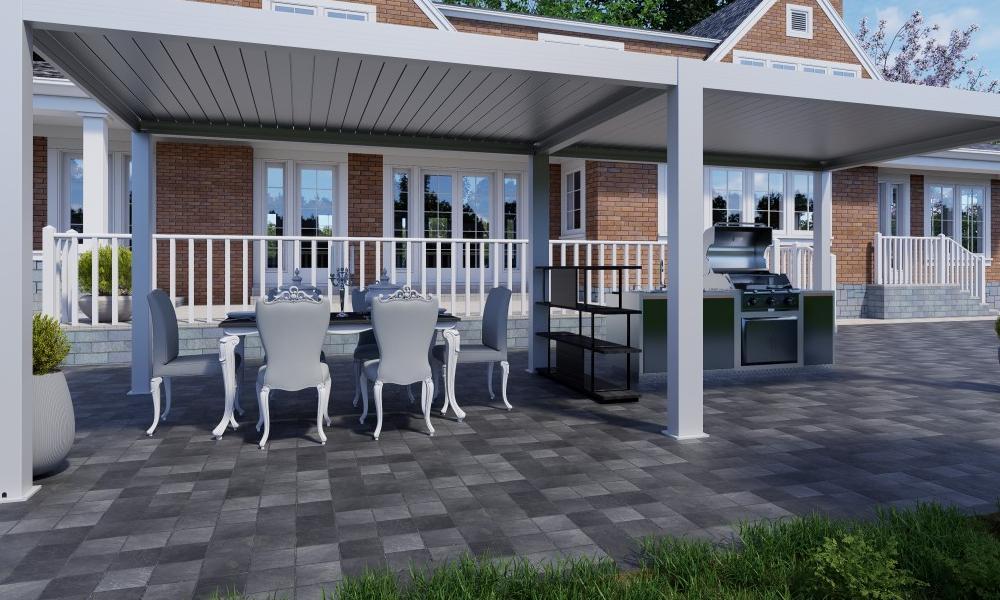
A good backyard pergola rarely starts with a product name. It starts with a familiar moment. Lunch runs long, the paving gets bright, one chair is suddenly too hot, and the outdoor table that looked perfect at 10 am feels a bit unforgiving by 2 pm. That is where the real decision begins. Not in a list of specifications, but in the way a backyard actually gets used. This guide stays with that reality. The focus is simple: why a pergola earns its place, which scenes it genuinely suits, how to tell whether it is worth buying, and which common mistakes are most likely to make the result feel off.
The tone here is practical on purpose. A backyard should feel easier to live with after a pergola goes in. More settled. More comfortable. A little more inviting in ordinary weather, not just on the nice days.

Why a backyard pergola can feel like the right decision very quickly
Plenty of outdoor upgrades take time to justify themselves. A new planter might look good for a month before fading into the background. A different outdoor table can feel exciting at first and then reveal all the same problems once the weather turns. A backyard pergola tends to be different, because the benefit shows up in small daily moments almost immediately. Breakfast can happen a little later without that sharp overhead glare. Lunch does not break up so quickly. Evening entertaining feels calmer because the outdoor area is no longer exposed in every direction. In many homes, that shift is obvious within the first ordinary week.
The reason is simple. A pergola does not only add a structure. It changes conditions. It shapes shade, softens exposure, frames the seating zone, and gives the backyard a clearer centre. That combination is more valuable than the brochure language often makes it sound. When a yard already has decent furniture and a workable floor area, the thing missing is often not style at all. It is comfort at the wrong time of day. That is exactly where a pergola starts to make sense.
There is also a quieter benefit that is easy to underestimate. A well-placed pergola settles a backyard visually. Outdoor tables stop feeling temporary. Lounge chairs stop drifting from one patch of shade to another. The route from the back door to the lawn, pool or side gate becomes easier to read. That visual order is not just for photographs. It affects how relaxed the space feels on a normal afternoon. A backyard that looks composed often ends up being used more because it feels simpler to step into.
For Everpergo, that appeal sits in a practical product setup rather than a flashy one. The public range centres on all-aluminium louvred pergolas designed for Australian conditions, with manual or motorised options, freestanding or wall-mounted layouts, and custom sizing when a more precise fit is needed. That matters because real outdoor areas are rarely neat, standardised rectangles. A narrow deck, a patio that steps down awkwardly, or a poolside area that needs a calmer retreat all ask slightly different questions. Flexibility is not a bonus there. It is part of the reason the comparison is worth making in the first place.
The scenes where it makes the most sense
A pergola becomes easier to judge when the backyard is looked at in scenes instead of categories. Not “Do pergolas look good?” but “Which part of this yard is already trying to become useful?” That is the right starting point. Some spaces want shade close to the rear doors. Others want a quieter corner deeper in the garden. Some pool areas need a retreat, not another feature crowded onto the coping line. When the scene is clear, the decision usually feels far less abstract.
Dining just outside the house
This is the most familiar and often the strongest scene. Plates come out from the kitchen. Somebody remembers napkins late. A chair scrapes back. The back doors stay busy. In that kind of rhythm, a pergola works best when it reduces friction. The route should feel obvious. The table should have room to breathe. The covered area should protect the part of the patio that actually gets used, not the part that merely looked central in a sketch.
A wall-mounted or attached arrangement often feels right here because the outdoor area behaves like an extension of the house. The result can feel quietly luxurious, though the real benefit is simply ease. Less squinting into glare. Less rushing indoors when weather shifts. Less sense that outdoor dining is only for weekends.
A separate lounge corner deeper in the yard
Some backyards tell the truth quickly. The nicest place to sit is not against the rear wall at all. It is farther out, where the breeze is better and the sightline back to the house feels calmer. In that case, forcing a pergola tight to the building can make the finished result feel slightly dutiful rather than genuinely inviting.
A freestanding outdoor pergola suits this scene because it creates a destination. Not a theatrical destination. Just a place that feels naturally separate from the busier dining zone. That shift matters in family backyards, especially during gatherings. One corner can hold the table. Another can offer the quieter seat that people always end up looking for.
A calmer edge beside the pool
A poolside pergola makes the most sense when the backyard is large enough to hold more than one mood at once. One side can stay open and active. Another can become shaded, dry and calm. That second zone often matters more than expected. It gives towels, reading, conversation and a quick break from the sun a proper place to land.
The important distinction is this: a pergola by pool does not need to sit right on the edge to work. In many layouts, a little offset placement looks and functions better. Circulation stays cleaner. Loungers fit more naturally. The shade feels like a retreat instead of an obstacle.
Compact decks and tighter patios
Small spaces are where a pergola can feel especially rewarding, but only when the layout is honest. A compact patio or deck has less room to absorb mistakes. One post in the wrong spot can interrupt everything. One oversized frame can make the threshold feel heavier instead of more comfortable.
When the dimensions are read carefully, though, these spaces often benefit the most. The deck already carries daily life. The rear doors already open there. A backyard pergola can bring just enough shelter and definition to make the area feel usable for longer without overwhelming the footprint.

How to tell whether it is actually worth buying
This is usually the real question. Not whether a pergola is attractive in theory, but whether one makes enough difference to justify the decision. The most reliable way to answer that is to ignore the abstract idea of outdoor living for a moment and test the backyard where it tends to fail. A pergola is worth serious consideration when the space is already close to being useful, but sun, glare, exposure or awkward layout keeps cutting that usefulness short.
One more test is worth doing, and it sounds simpler than it is. Stand in the backyard at the exact hour it feels least comfortable, then trace the path from the house to the place where people naturally want to sit. If that route feels awkward, exposed or indecisive, the yard may be asking for structure. A pergola becomes worth buying when it does not merely cover space, but resolves that awkwardness. That is the difference between a product being present and a layout actually improving life outdoors.
It also helps to be honest about whether the rear wall is helping or getting in the way. In some homes, an attached layout is the obvious answer because the outdoor area clearly belongs to the house. In others, the nicer place to sit is farther out, where the garden opens up and the frame can breathe a little. That is why a good comparison often begins with layout before model. Freestanding or wall-mounted is not a style preference first. It is a site decision.
Common mistakes that make a good idea feel disappointing
The easiest way to keep a backyard improvement feeling trustworthy is to stay clear about what it can and cannot fix. Pergolas solve a specific set of problems very well. They do not solve every planning issue on their own. Most disappointing outcomes come from one of a few familiar assumptions.
Bigger is not always better. An oversized structure can leave the dining zone loose, the lounge area undefined, and the open part of the yard oddly forgotten.
A better approach is to cover the part of the backyard that genuinely needs definition and let the edges stay open enough to keep the whole space breathing.
This is extremely common. The pergola gets centred on the slab, and then the furniture has to work around it.
It usually works better the other way around. Start with the table, the chair pull-back, and the walking path. Then let the pergola follow that logic.
A poolside pergola often works better when it sits slightly away from the coping. That small offset can make the space calmer and more comfortable.
A pergola by pool should feel like a place to land, not a feature that interrupts circulation around the water.
Adjustable louvres are useful, but they are not magic. If the structure is in the wrong place, better roof control will not fix the layout underneath.
Placement still comes first. Shade control works best when the backyard has already been read honestly.
In many homes, custom sizing is what prevents a standard frame from feeling almost right forever. Narrow patios, decks and offset rear walls often benefit the most.
The real value is not drama. It is removing the little compromises that would otherwise be noticed every day.
The best pergola decisions usually support a habit that already exists. They do not invent an entirely new way of living outdoors from scratch.
If the backyard is never used at all, the first question may be layout or furniture rather than cover. If it is almost used often, that is a very different story.

How to get more out of it once it is there
A pergola can be well chosen and still feel underwhelming if the area beneath it never gets resolved properly. This part matters more than many people expect. A backyard pergola is not a magic finish line. It works best when the space under it has a clear purpose and enough restraint. The most comfortable outdoor areas usually feel slightly edited. Enough seating. Enough movement room. Enough shade where it counts. Not a packed collection of every item that happened to fit.
The easiest improvement is to decide what the covered zone is mainly for. Dining first. Lounge first. Mixed entertaining. That main role changes everything. A dining area should centre the table and protect the path from the house. A lounge area should feel open enough for conversation and quiet enough to linger in. When both uses are forced together without any hierarchy, the backyard often ends up feeling busier than before.
It also helps to preserve one route that remains unquestionably open. From the back doors to the lawn. From the kitchen to the table. From the pool edge to the towel bench. The more obvious that path feels, the more composed the whole outdoor area becomes. This is one of those details that is easy to miss in photos and impossible to ignore in use.
With a louvred roof, there is another small advantage that only becomes obvious over time. The structure can respond to different hours instead of forcing the backyard into one fixed setting all day. Morning often wants more openness. Mid-afternoon may want more protection. Evenings can call for a softer balance again. That flexibility is not about novelty. It is about allowing the outdoor area to stay pleasant through changing light rather than becoming beautiful for only one short window.

Practical notes that make the whole decision feel more trustworthy
Trust in a project like this usually comes from clarity, not hype. It helps when the product range is broad enough to meet different kinds of sites without making the choice feel chaotic. Everpergo’s public range gives that comparison a fairly grounded shape: all-aluminium louvred pergolas, manual or motorised options, freestanding or wall-mounted layouts, and custom sizes for sites that need something more precise. That is useful because layout and size rarely sit in separate boxes. They affect each other.
It also helps that the brand’s public information is local in tone rather than vague. Everpergo states a warehouse, showroom and office in Dandenong, Melbourne, presents its pergolas as designed for Australia, and publicly lists a 10-year warranty on the main aluminium structure with a 2-year warranty for motorised systems. Those details do not choose the pergola on their own. Still, they make the comparison feel more concrete. A backyard decision usually feels more comfortable when the support context is visible and specific.
One point should remain very clear for planning purposes. Everpergo does not directly provide installation services. Public FAQ information states that experienced installers can be recommended, and installation guides plus technical support are available. That boundary is actually useful. It keeps expectations realistic and encourages a cleaner brief before the final size, fixing approach and site details are settled.
Maintenance belongs in the same practical category. A pergola is meant to make the backyard easier to enjoy, not more demanding than it needs to be. Even so, routine care still matters. Public maintenance guidance recommends regular inspections several times a year, which is a sensible reminder rather than a burden. Debris should not sit where it can collect. Moving parts should stay clear. Small issues are better handled early. That kind of straightforward upkeep is exactly what helps a good decision keep feeling like a good decision.
- Read the backyard at the hour it feels least comfortable.
- Decide whether the main scene is dining, lounging, poolside shade or deck living.
- Choose layout first: freestanding or wall-mounted.
- Then narrow the size and decide whether a standard footprint is enough.
- Only after that does manual versus motorised become a clean, easy comparison.
Compare the layout before comparing the details
That order tends to lead to better outcomes. A backyard pergola feels right when the scene is clear first, then the size, then the controls. Starting there keeps the decision calm and keeps the final result closely tied to the way the backyard actually lives.
Share:
Outdoor Pergola Ideas for Modern Australian Backyards
Garden Pergola Ideas That Add Shade Without Feeling Heavy