

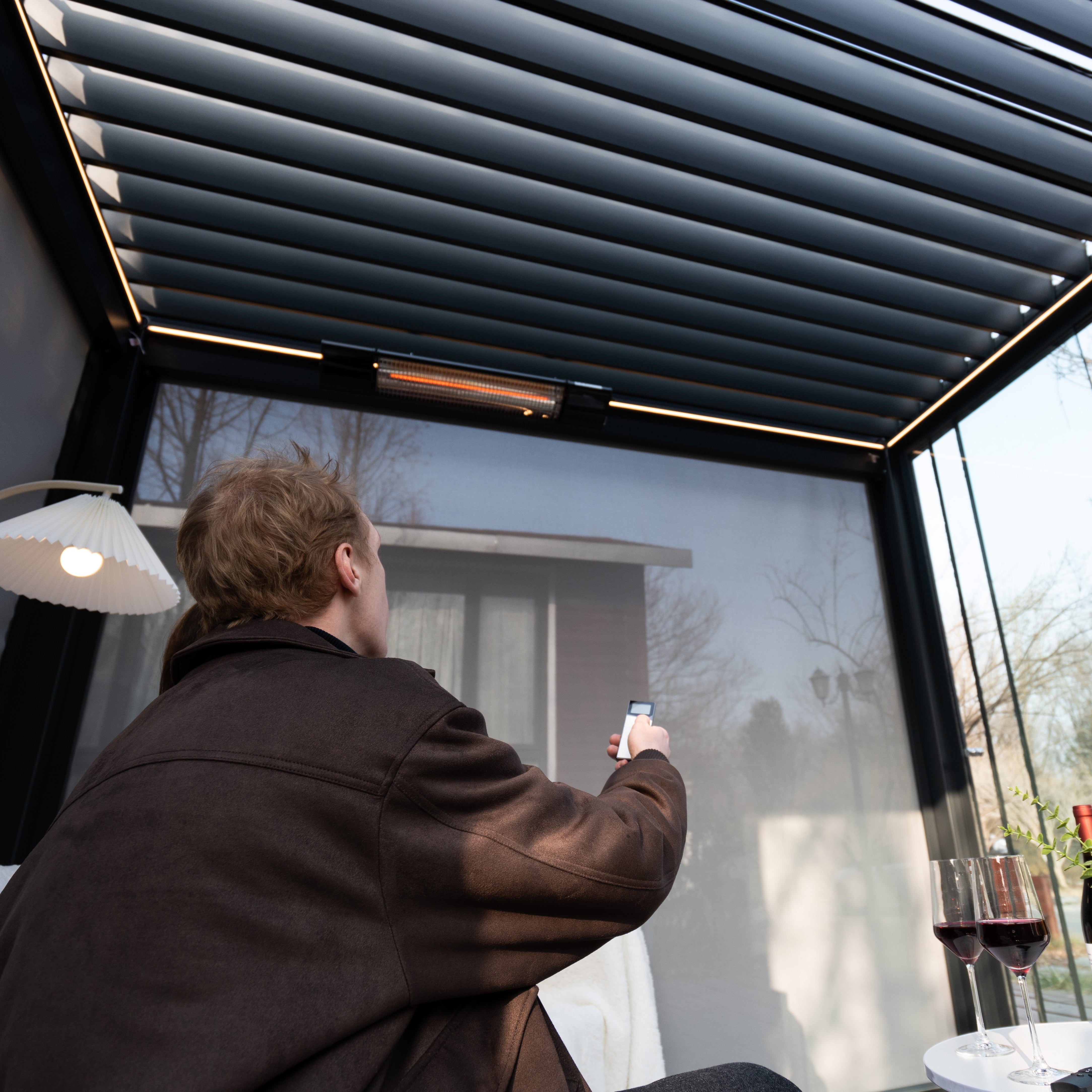
What Should Brisbane Buyers Prioritise in a Pergola?
A pergola in Brisbane has to do more than cast shade at midday. The same patio may feel bright in the morning, still and warm after lunch, exposed to low western sun later in the day, and vulnerable to wind-driven rain when a storm moves through.
That makes roof control, airflow, orientation and drainage more important than choosing a colour first. Before comparing models, look at where heat collects, which side receives the worst glare or rain, how people move between the house and the outdoor area, and how often the roof would realistically be adjusted.
Inspect the Site at Its Least Comfortable Time
A quick morning measurement does not show how the space behaves during a hot afternoon or a storm. Revisit the area when the problem is strongest. Mark where the sun reaches the table, feel whether air can move through the seating zone, and note which edge receives low-angle rain.
This simple observation often changes the purchase. A patio that mainly needs overhead shade may not need side screens. A west-facing deck may need one carefully placed blind more than a heavier roof. A wall-mounted alfresco beside glass doors may need more attention to ventilation than an open poolside structure.
Use Roof Position to Balance Sun and Airflow
Shade solves only part of the comfort problem. On a still afternoon, a fixed cover can reduce direct sun while warm air remains trapped beneath it. This is more noticeable beside a house wall, large glass doors, masonry or a close boundary fence because the structure has fewer open sides and nearby surfaces may hold heat.
A louvred roof gives the patio several usable positions rather than one permanent condition. The exact angle depends on the site, but the operating logic is straightforward.

Western sun needs a side-angle response
A roof is naturally effective against sunlight arriving from above. Late-day western sun can enter below the roof line and reach faces, furniture or glass doors. Before adding a blind, check the exact period when glare is uncomfortable and whether one exposed side is responsible. The goal is to manage the difficult hour without blocking useful airflow for the rest of the day.
Attached patios need an escape path for warm air
A wall-mounted pergola can be convenient beside a kitchen or living area, but the house already closes one side. Adding screens to the other sides without checking ventilation can make the area feel heavier. Roof opening, ceiling height, side clearances and the location of fences or planting should be considered together.
Ask before ordering: How will the proposed louvre direction affect afternoon shade, upward heat release, water movement and the view from inside the house? A model name or standard product photo cannot answer those site-specific questions.
Plan for Overhead Rain and Low-Angle Side Rain
Closing the louvres can make an outdoor dining or lounge area less dependent on passing showers, but an open-sided pergola is not a sealed extension. Rain can still enter beneath the roof when wind changes direction, splash can reach furniture near the edge, and leaves or storm debris can interfere with drainage if they are left to build up.
The first question is not “How do we close every side?” It is “Where does the weather actually enter?” One problem edge may benefit from a wind blind. A more enclosed lounge may justify glass doors, but that choice also changes airflow, access, cost and the approvals that may apply.
Configuration Guide for Common Brisbane Outdoor Areas
This table is a buying guide rather than an engineering specification. It helps narrow the conversation before dimensions, fixing details and local requirements are confirmed.
| Site and main problem | Configuration worth comparing | Avoid deciding too early | Confirm before ordering |
|---|---|---|---|
| Attached alfresco that becomes hot beside glass doors | Adjustable louvres with enough open side area for ventilation; manual or motorised based on use frequency | Do not add screens to every side before checking whether they will trap more heat | Wall suitability, eaves, gutters, door clearance, louvre direction, reflected heat and drainage |
| West-facing deck with strong late-afternoon glare | Adjustable roof plus a blind on the problem side if roof angle alone cannot control low sun | Do not assume a darker or permanently closed roof will solve side glare | Exact glare hours, exposed edge, blind width, useful breeze direction and furniture position |
| Open poolside or garden seating with good airflow | Freestanding pergola that can remain partly open during normal hot-weather use | Do not over-enclose an area that already benefits from cross-ventilation | Wind exposure, anchoring, footing or slab condition, pool access, drainage and walking clearance |
| Family dining area used from lunch into the evening | Motorised louvres may suit frequent changes between shade, rain response and post-rain ventilation | Do not choose motorised operation without confirming power, controls and electrical scope | Licensed electrical work, controller position, included components, lighting and manual operation information |
| Compact courtyard used occasionally | Manual louvres may be sufficient when the crank is accessible and the roof moves infrequently | Do not pay for automation only because it appears more premium | Crank clearance, furniture layout, boundary position, shade need and whether a standard footprint fits cleanly |
| Long deck with sliding doors, downpipes or an irregular footprint | Custom sizing or a carefully positioned standard structure | Do not cover only the furniture footprint while ignoring chair pull-back and circulation space | Usable width and depth, posts, doors, eave height, gutters, downpipes, delivery access and water discharge |
Once the difficult site conditions are clear, use the Everpergo pergola collection to compare available structures and discuss which configuration fits the space.
How the Decision Changes by Outdoor Setting
The same pergola specification will not suit every Brisbane home. The structure should respond to how the area is reached, where people sit, and which weather problem interrupts use most often.
Small courtyard beside a boundary fence
A compact courtyard can already feel enclosed, so the pergola should not remove the remaining openness without a clear reason. Manual louvres may be enough when the roof moves only once or twice a day. Pay close attention to crank access, the louvre direction and whether a side blind would reduce the only useful airflow path.
Family alfresco directly outside the kitchen
This area usually needs smooth movement between the house, dining table and barbecue. Motorised operation can be worthwhile when the roof changes several times during a meal or when quick closure is useful as weather approaches. Posts should not interrupt door openings, chair pull-back or the route used to carry food outside.
Freestanding poolside seating
The priority is often open shade rather than maximum enclosure. A partly open roof can help the space remain bright and ventilated after swimming. Check wet-foot traffic, the pool gate, furniture edges, reflected glare from water, wind exposure and whether an added blind would create a barrier in a frequently used path.
Long deck beside sliding doors
A long deck can look simple on a plan but become awkward when posts, downpipes and door panels are marked at full scale. Measure with chairs pulled out and doors open. A custom width or a different bay position may work better than a standard frame that covers the table but compromises circulation.
Choose Operation and Layout by Daily Use
Manual versus motorised and freestanding versus wall-mounted are separate decisions. A large freestanding pergola can be motorised, while a compact attached patio may be manual. Decide each one from the way the space will be used rather than treating one configuration as automatically superior.
Manual or motorised
- Manual: suits smaller, simpler spaces where the handle stays accessible and the roof is adjusted infrequently.
- Motorised: suits daily-use areas, larger roofs or households likely to change the roof several times during an afternoon.
- Check: operation reach, controller location, included components, power supply and the electrical work required.
Freestanding or attached
- Freestanding: can preserve airflow around a pool, lawn or detached seating area but needs independent fixing and exposure assessment.
- Attached: creates a convenient transition from the house but requires careful checks around the wall, eaves, gutters, doors and drainage.
- Check: structure, movement paths, views, water discharge and whether the house blocks a useful breeze.
Decks, walls, slabs and footings must be assessed for the proposed load and fixing method. A local engineer, qualified installer or other appropriate professional should confirm site-specific structural requirements.
Use Accessories to Solve One Proven Problem
Accessories are most effective when each one has a clear job. Adding every available option can increase cost and make an outdoor area feel more enclosed without improving the problem that first stopped people using it.
Wind blinds
A blind can help where one side receives low sun, wind-driven rain or unwanted overlooking. Check how often it would be lowered and what happens to ventilation when it is in use. In many Brisbane settings, one targeted blind is more useful than screening all sides.
Frameless glass doors
Glass doors may suit a lounge-style area where greater shelter and clear views are priorities. They also change the character of the space. Ventilation, access, cleaning, electrical items, drainage and possible approval implications should be considered before turning an open pergola into a more enclosed room.
LED lighting and outdoor heating
Lighting can make the area useful after sunset, especially over a dining table or outdoor kitchen. Plan cable routes and switching before installation. Heating may extend use on cooler evenings, but it should come after the main Brisbane decisions about shade, airflow and rain exposure.

Compare available blinds, glass doors, lighting and heating in the Everpergo accessories collection after the roof footprint and problem side have been confirmed.
When a Bigger Specification Is Not the Better Choice
A buyer’s guide should also show where to stop. More enclosure, automation and customisation can be valuable, but only when they solve a real site or usage problem.
- Do not enclose all sides just to prepare for rain. If low-angle weather consistently enters from one direction, address that side first and preserve airflow elsewhere.
- Do not select motorised operation only for appearance. A reachable manual roof can be a sensible choice when adjustment is infrequent.
- Do not commit to wall mounting before the building is assessed. Eaves, gutters, cladding, masonry, waterproofing and structural conditions may change the preferred layout.
- Do not assume the largest footprint gives the best outdoor room. Posts, furniture, door movement, setbacks and drainage can make a slightly smaller or differently positioned structure more practical.
- Do not treat a closed roof as complete weather sealing. Side rain, splash, wind, drainage and maintenance still affect comfort below.
- Do not leave electrical planning until installation day. Motor and lighting choices should be coordinated with a licensed electrician before final placement is locked in.
Complete These Checks Before Placing an Order
Measurements should describe the usable outdoor room, not only the bare slab or deck. Record the overall width, depth and available height, then add the fixed elements that influence the design: doors, windows, gutters, downpipes, steps, pool barriers, fences, drains, outdoor kitchens and furniture.
- Take clear photos from the front, both sides and each corner of the proposed area.
- Measure the usable width, depth and height at more than one point.
- Mark doors, windows, eaves, gutters, downpipes, drains and changes in floor level.
- Show the main furniture with chairs pulled out and normal walking routes left open.
- State which problem matters most: heat, overhead sun, low western glare, side rain, privacy or poor airflow.
- Identify whether the area is on a slab, deck or garden surface and whether a wall connection is being considered.
- Confirm access for delivery and assembly, especially through side paths, gates or shared property areas.
- Discuss power and licensed electrical work if a motor or lighting is planned.
- Check relevant council, building, engineering, body corporate or strata requirements before the final order.
Approval requirements depend on the property, the proposed structure and the type of work involved. Before placing the final order, check the current requirements with Brisbane City Council and confirm any structural or building questions with an appropriately qualified professional.
Everpergo Service Information for Brisbane Buyers
Everpergo does not directly provide installation services. It can recommend experienced installers and provide installation guides and technical support. Brisbane buyers should confirm installer availability, delivery arrangements, installation responsibilities and the exact supply scope for their postcode and selected configuration before ordering.
For a useful first conversation, send clear site photos, approximate width, depth and height, the patio orientation, the position of doors and gutters, the side affected by glare or rain, and whether manual or motorised operation is being considered. Use the contact page to confirm current showroom details before planning a visit.
Brisbane Pergola FAQs
Does a closed louvred roof make the pergola completely waterproof?
No open-sided pergola should be treated as a sealed indoor room. Closing the louvres can provide more protection from overhead rain, but wind-driven side rain, splash, drainage, installation, maintenance and the exact product configuration still affect the area below.
Is manual or motorised operation better for a Brisbane patio?
Manual control can suit a compact area where the handle is accessible and the roof changes infrequently. Motorised operation is more useful when the outdoor room is used daily, covers several activity zones or needs frequent adjustment as sun, rain and airflow change.
Does Everpergo install pergolas in Brisbane?
Everpergo does not directly provide installation services. It can recommend experienced installers and provide installation guides and technical support. Confirm current installer availability, delivery arrangements and project responsibilities directly with the team.
Share:
Pergola Sydney Buyers Guide: Heat, Wind and Outdoor Comfort
Pergola Canberra Buyers Guide: Frost, Wind & Roof Options