

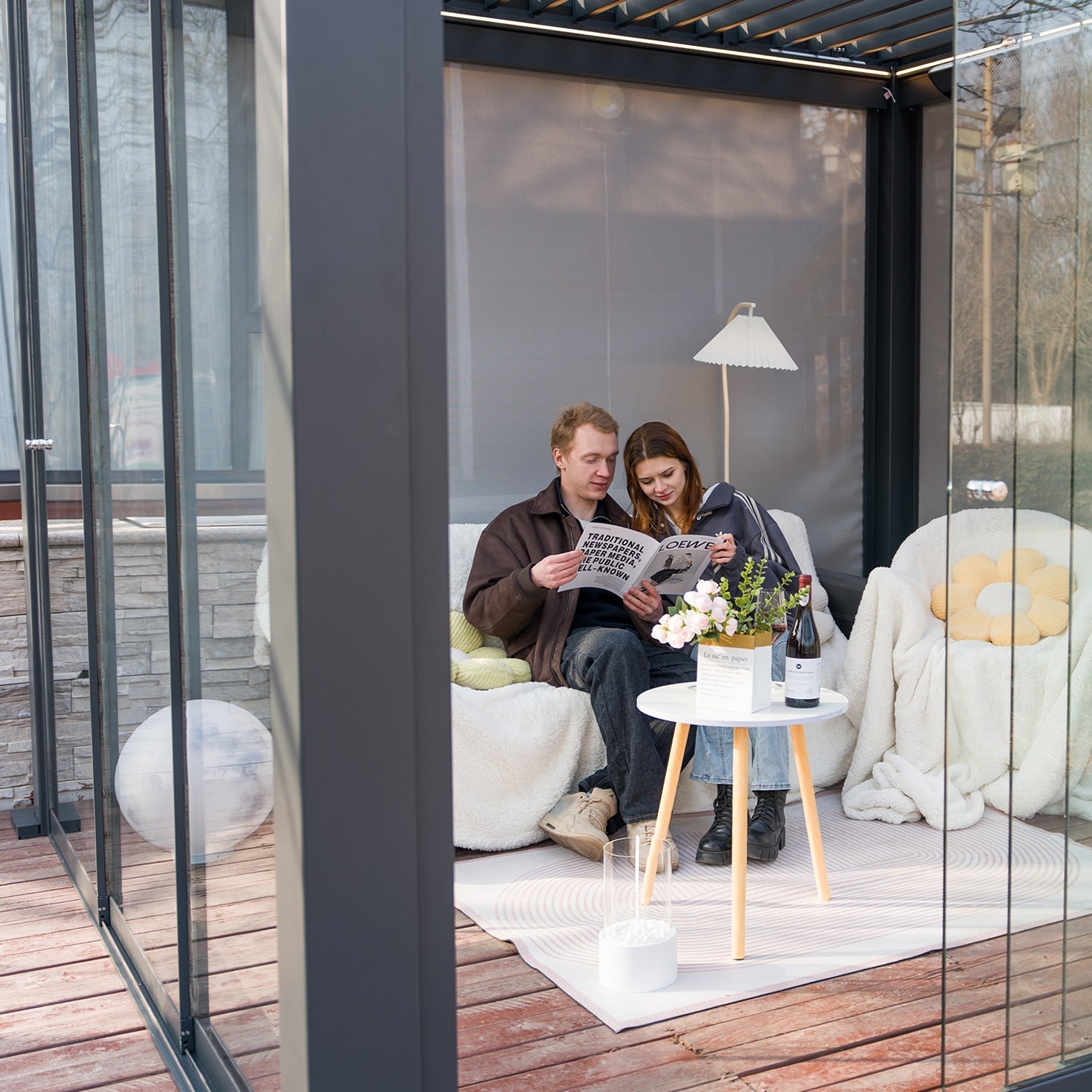
A modern pergola usually becomes appealing at the exact moment an outdoor space starts feeling almost right. The paving is done. The doors are in. The furniture may already be there. Still, the area feels too exposed, too bright, or just a little unfinished. That is where a clean pergola makes sense. It adds order without making the yard feel crowded, and it turns open patio space into something more settled and more useful.
This is also why the clean-lined aluminium style keeps standing out. It is not trying to look rustic, decorative or busy. It is there to support everyday outdoor living with clearer lines, controlled shade and a calmer overall look. For Australian homes comparing pergola options, that balance matters. Everpergo’s public range focuses on all-aluminium louvred pergolas with manual or motorised options, freestanding or wall-mounted layouts, custom sizes, and a design approach built for Australian conditions.
Quick navigation
Why choose it
The strongest reason is not style on its own. It is how much a pergola changes the way the outdoor area gets used. A good patio can still fall short in daily life. The table gets too hot by lunch. The western sun becomes harsh by late afternoon. Light rain ends the evening early. The whole space looks nice in theory, but in practice it stays half-used. A pergola solves that kind of problem better than decorative upgrades ever will.
There is also the visual side, and it matters more than people sometimes admit. Outdoor areas often feel messy for small reasons rather than one big one. There may be paving, planting, fencing, sliding doors, furniture, a barbecue and a pool edge, all sharing the same view. Without one clear structure, the eye keeps moving. Once a pergola is added, the whole scene settles down. It gives the space a roofline, a centre and a clear rhythm.
This is exactly why an aluminium pergola works so well in clean outdoor spaces. The material suits straight lines. The frame reads as architectural rather than decorative. A darker finish can ground the patio without looking heavy, while a white pergola can make a smaller courtyard feel more open. Because the structure stays visually disciplined, the surrounding furniture and landscaping can breathe instead of competing with it.
Another reason is flexibility. Everpergo’s public range centres on all-aluminium louvred pergolas, with manual or motorised options depending on the model and setup, plus freestanding or wall-mounted layouts and custom sizes. That kind of flexibility matters because outdoor living is never just one fixed condition. Morning light, midday heat, afternoon glare and sudden rain all ask for different responses. A clean pergola looks simple, but the best ones work hard in the background.
What it changes first
It gives the yard a clearer centre. Furniture no longer looks temporary or scattered in open space.
Why it feels better day to day
More shade, better shelter and a calmer roofline usually mean longer outdoor use without extra effort.
Why the minimalist look lasts
Cleaner lines tend to age better than decorative details, especially on updated Australian homes.
Why aluminium suits this style
It keeps the structure crisp and restrained, which is exactly what a modern outdoor space needs.

That point is worth holding onto. A pergola earns its place when it improves the everyday feel of the home. Breakfast outside becomes more likely. A quiet coffee at 4 pm stops feeling like a negotiation with the weather. Evening meals stay outside longer. Those are the moments that justify the structure.
What spaces suit it best
The most natural fit is the patio just outside the house, especially outside the living room, kitchen or dining area. That zone already has built-in value because it connects directly to indoor life. People pass through it constantly. It gets seen from inside every day. Because of that, small upgrades there tend to have a bigger effect than changes elsewhere in the yard.
A pergola makes particular sense in this kind of space when the patio already wants to function as an outdoor room but still feels too exposed. That is a very common setup in Australian homes. Large glass doors open onto a slab or paved area. A table sits there. Maybe a sofa or two chairs. It is usable, but not fully comfortable for long stretches. A pergola changes that dynamic quickly because it adds a sense of ceiling, shelter and purpose.
Another strong scenario is a poolside or lounge area that feels visually loose. These spaces often look attractive from a distance but can feel scattered in real use. A pergola gives them a centre. It creates a shaded anchor point that makes the pool zone feel more resolved and less exposed to direct sun. When the lines stay simple, the result feels clean rather than resort-like.
Compact courtyards can also suit an outdoor pergola better than expected. The trick is restraint. A courtyard usually needs a frame that looks light and deliberate, not bulky. This is where a lighter finish or a well-proportioned roofline can help. A white pergola often works well in bright, narrow or pale-coloured spaces because it keeps the roof from feeling too heavy against the sky or surrounding walls.
Then there is the renovation scenario. This one comes up often. The inside of the house has been updated. The rear façade looks cleaner. The doors are bigger. The materials are sharper. But the outdoor zone still feels like it belongs to the older version of the house. In that situation, a modern pergola can act like a bridge. It ties the yard to the new architecture and makes the transition feel intentional instead of patched together.

Spaces where it usually works very well
- Patios outside kitchens, dining rooms or living rooms
- Poolside lounging areas that need a stronger shaded centre
- Courtyards that feel usable but too exposed
- Backyards with modern rear extensions and large sliding doors
- Outdoor dining zones that lose comfort in harsh afternoon sun
In contrast, a pergola may not be the first move when the main issue is privacy, drainage, poor paving or an unfinished furniture plan. In those cases, the smarter path is often to resolve the underlying layout first. A clean pergola tends to highlight what is working and what is not, so it performs best when the space already has decent bones.
How to tell if it is worth buying
This is the question that matters most, and it usually has a practical answer. A pergola is worth serious consideration when the outdoor area is already close to being part of daily life. Not perfect. Just close. The furniture may already be in place. The view may already be attractive. The patio may already get used on mild days. What is missing is the layer of shelter that makes the space reliable.
The first test is frequency. Ask how often the area is already used and what typically ends that use. If heat, glare, light rain or exposure keeps pushing people inside, the pergola is solving a real problem. That is a far better buying signal than simple aesthetic interest.
The second test is perspective. Stand inside the house and look out toward the patio. This is surprisingly useful. From indoors, an outdoor area often reveals whether it feels complete or unresolved. If the furniture looks like it is sitting in open leftover space, the yard may need a stronger structure. If the outdoor area already feels calm and well-defined, the argument may be weaker.
The third test is routine. Try imagining one ordinary week, not one perfect weekend. Would the area be used for a coffee before work, a quick lunch on a mild day, a slow dinner in summer, or a shaded place to sit after the house warms up in the afternoon? If the answer is yes, the pergola is not just a style choice. It is a lifestyle upgrade with clear practical use.
The fourth test is readiness. A pergola works best when the surrounding setup is already clear enough to support it. That means the general patio footprint makes sense, furniture scale is roughly understood, and the outdoor zone has a real purpose. If the whole backyard still feels undecided, it is usually better to clarify the layout first.
Good signs the answer is probably yes
- The outdoor area already gets used, but not often enough
- Sun or rain interrupts use more than expected
- The view from indoors needs a stronger focal point
- The home has a modern look that the backyard is not yet matching
- The goal is everyday comfort, not just occasional entertaining
Good signs it may be better to wait
- The furniture layout is still unclear
- Privacy is the main issue, not shelter
- Paving, drainage or circulation still need work
- The outdoor area is rarely used for any reason at all
That distinction matters because a pergola is not magic. It can complete a good outdoor area. It does not usually rescue a weak one. The best projects tend to happen when the decision comes from clear habits, clear layout and clear purpose.
A useful next step, if the space already feels close
When the patio already has the right bones, the next move is usually comparison rather than more inspiration. Looking at the range side by side makes it easier to tell whether the space needs a lighter visual touch or a stronger outdoor-room feel.
Common mistakes
The first mistake is going too big. Bigger sounds safer on paper, but oversizing can make the patio darker, heavier and less balanced than it needs to be. A clean outdoor space usually benefits from a pergola that matches the real living zone, not the maximum span that technically fits.
The second mistake is choosing colour too early. White, grey and mixed-tone options can all work, but colour should follow layout, not lead it. A white pergola can feel light and open in the right setting, while a darker frame can look grounded and architectural. Still, the wrong size in the right colour still ends up feeling wrong.
The third mistake is expecting the pergola to fix poor planning. If privacy is unresolved, furniture is undersized, or the circulation through the patio is awkward, the structure may actually make those issues more obvious. Clean lines are not forgiving that way. They reveal the truth of the space.
The fourth mistake is adding too much too soon. Lighting, blinds and glass can all be useful, and Everpergo’s public pages show accessories such as LED lighting and glass door options within the broader system. But a minimalist outdoor space usually works better when the main frame, size and placement feel right first. Extras should solve real comfort issues, not get added all at once for effect.
Another common misunderstanding is installation. It helps to keep this wording accurate: Everpergo does not directly provide installation services, but can recommend experienced installers and provide installation guides and technical support. For homeowners working with builders, installers or planning a more hands-on route, that distinction is useful early in the process.

In short, the cleanest result usually comes from restraint. The right size. One clear colour direction. A purpose-led layout. And accessories added only when they improve the way the space actually gets used.
FAQ
Is a modern pergola worth it for smaller patios?
Yes, often. Smaller patios can benefit a lot from a clean pergola because the structure gives the area definition. The key is proportion. The footprint should match the real usable zone, and the frame should stay visually disciplined.
What kind of homes suit this look best?
Homes with modern façades, updated rear extensions, render, stone, dark trims or large glass doors usually suit this look very naturally. It can also work on more traditional homes when the outdoor area has already been simplified and modernised.
How can it be judged whether the pergola will really get used?
A strong sign is that the patio is already almost useful. If sun, glare or light rain keeps interrupting normal use, the pergola is solving a real problem rather than simply filling empty space.
Are extra features always necessary?
No. A cleaner result usually comes from getting the frame, size and placement right first. Accessories are most effective when they improve comfort in a specific way rather than being added all at once.
What about installation planning?
For accuracy, the wording should stay clear: Everpergo does not directly provide installation services, but can recommend experienced installers and provide installation guides and technical support.
Further reading
Still narrowing it down?
The easier decision path is usually this: review the overall collection first, then compare the P180 and P180 Pro side by side, and see which direction fits the patio more naturally.
Share:
Garden Pergola Ideas That Add Shade Without Feeling Heavy
White Pergola Ideas: When a Light Finish Works Best