

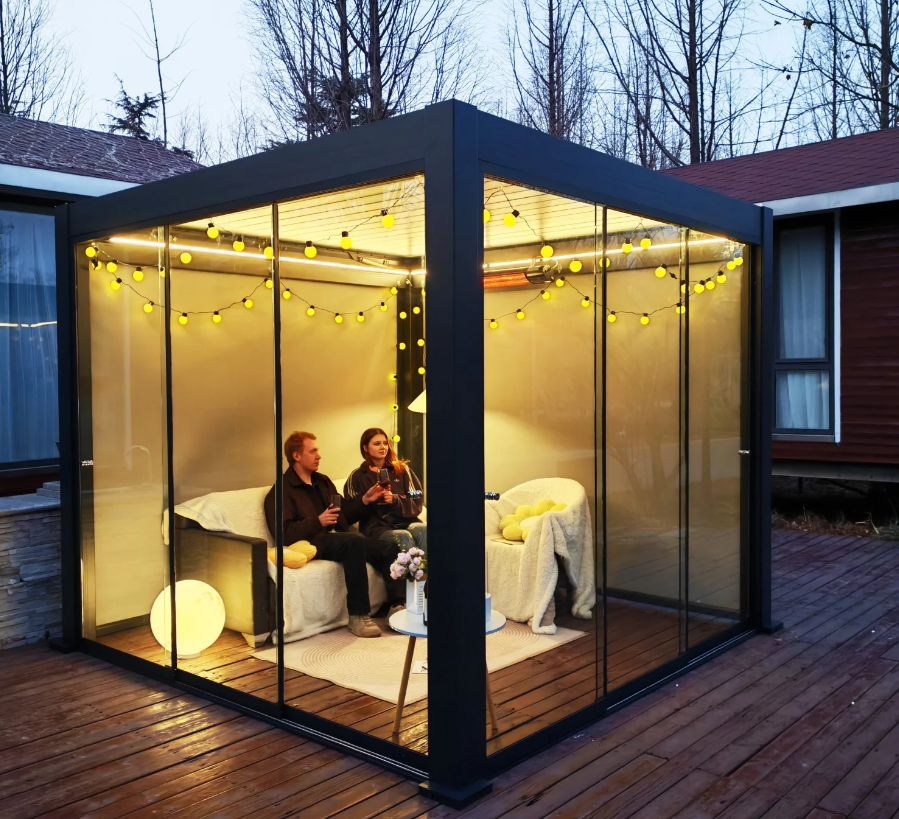
Choosing between an aluminium pergola and a timber pergola is not only about which material looks better on installation day. For Australian homes, the more useful comparison is how each option handles exposure, maintenance, visual style, repair work and the way the outdoor area will be used.
Aluminium is usually the easier all-round choice for a frequently used patio, poolside area or outdoor dining zone. Timber remains a strong option when natural texture, garden character and the ability to refinish or repair individual sections matter more than minimising ongoing upkeep.
Choose aluminium when you want a clean-lined structure with comparatively low routine maintenance and a consistent finish. Choose timber when its natural appearance is central to the design and you are comfortable planning for inspection, cleaning and periodic refinishing. Neither material is automatically right for every site.
Why the decision matters in Australian outdoor spaces
In many Australian homes, the pergola sits directly outside the kitchen, family room or main entertaining area. It is not an isolated garden feature; it affects whether the patio feels comfortable enough for breakfast, weeknight dinners, children playing nearby or a long afternoon with friends.
Strong UV, western sun, wind, sudden rain and coastal exposure can all influence how an outdoor structure looks and how much attention it needs. The roof design, drainage, orientation and quality of installation matter as well, so the frame material should be considered as part of the whole system rather than in isolation.
An aluminium pergola often suits households that want the outdoor area to feel ready for regular use without adding another substantial refinishing task. Timber can create a softer, more garden-led atmosphere, but that appearance usually comes with a more active maintenance relationship.
Aluminium pergola vs timber: comparison at a glance
| Factor | Aluminium pergola | Timber pergola |
|---|---|---|
| Initial cost | Often involves a higher upfront product cost, especially for engineered modular or louvred systems. Installation, access, footings and customisation can change the total significantly. | Can appear more economical for a simple open structure, but species, span, labour, detailing and finish can make a high-quality timber build comparable in cost. |
| Ongoing maintenance | Usually requires cleaning, drainage checks and inspection of fixings, coatings and moving parts rather than recurring sanding or staining. | Typically needs more frequent inspection and may require cleaning, recoating, refinishing or local repairs as the surface weathers. |
| Appearance | Clean, consistent and well suited to contemporary homes, rendered walls, large-format paving and black-framed doors. Careful colour and proportion can also work with traditional homes. | Warm, textured and naturally suited to cottage gardens, established planting, older brick homes and spaces where material variation is part of the character. |
| Coastal exposure | Does not rot, but salt deposits can still affect coatings, hardware and moving components. Suitable finishes, compatible fixings and regular wash-downs remain important. | Can work near the coast, but moisture, salt and strong exposure generally increase the importance of timber selection, sealing, inspection and refinishing. |
| Bushfire-prone areas | Aluminium is non-combustible, but the complete pergola design, roof, screens, connections and location still need to satisfy the site-specific requirements. | Suitability depends on the timber species, dimensions, treatment, detailing and the applicable site requirements. It should not be assumed suitable or unsuitable from the material name alone. |
| Repairability | Damaged proprietary parts or panels may need matching replacement components or specialist work. Local coating repairs may remain visible. | Individual sections can often be cut, patched, replaced or refinished by a suitable tradesperson, although colour matching weathered timber can still be difficult. |
| Long-term ownership | Often appeals to households prioritising lower disruption, visual consistency and regular everyday use. | Often appeals to owners who value natural material character enough to accept recurring care and gradual visual change. |
The table is a general planning guide, not a structural or compliance assessment. Site exposure, timber species, aluminium finish, roof type, drainage, footings, wind conditions and installation quality can change the outcome. Bushfire, engineering, fixing and approval requirements should be confirmed with the relevant council, engineer or qualified installer.

Maintenance and long-term cost
Maintenance is often where the decision becomes clearer. Exterior timber is not a poor material because it needs care; the issue is whether the household genuinely wants to keep providing that care. Sun, moisture, dirt and normal movement can affect the finish, and exposed areas may need attention before sheltered sections do.
A timber pergola may require cleaning, inspection for cracking or movement, local repair and periodic refinishing. The exact routine depends on the species, coating system, exposure and desired appearance. Some homeowners enjoy that hands-on ownership and appreciate that timber can be sanded, refinished and visually renewed.
Aluminium generally removes the recurring sanding and staining cycle, but it should not be described as maintenance-free. Powder-coated surfaces still benefit from cleaning, gutters and drainage paths need to remain clear, and fixings or moving roof components should be inspected in line with the supplier's guidance. Coastal homes may need more frequent washing to remove salt deposits.
The fairest long-term comparison is therefore not simply “cheap versus expensive.” Timber may have a lower starting cost in some designs, while aluminium may reduce the frequency of surface maintenance. Labour rates, access, replacement parts and how much work the owner completes personally will influence the real cost over time.
Appearance: warmth versus visual consistency
Timber suits homes where the backyard is meant to feel soft, natural and connected to planting. Older brick homes, cottage-style gardens, stone paths and leafy courtyards can benefit from the warmth and texture of a timber structure. Natural variation and gradual weathering may be part of the appeal rather than a defect.
Aluminium works especially well with contemporary extensions, rendered walls, outdoor kitchens, pool areas and clean-lined paving. Its finish tends to remain more visually consistent, which can help the pergola feel like a deliberate extension of the house rather than a separate garden structure.
The distinction is not absolute. A dark or neutral aluminium frame can sit comfortably beside a traditional Australian home when the scale, colour and placement are restrained. Likewise, a carefully detailed timber pergola can look refined rather than rustic. Proportion and fit often matter as much as the material itself.

Which material suits your home?
Aluminium is likely to suit you if:
- The pergola will cover a frequently used dining, lounge or poolside area.
- You prefer a clean, consistent finish and do not want periodic staining or painting.
- The structure needs to sit neatly beside modern doors, paving or an outdoor kitchen.
- You are comparing adjustable louvred roof systems rather than a simple open-frame pergola.
- You are willing to clean and inspect the structure but want to minimise recurring surface restoration.
Timber is likely to suit you if:
- Natural grain and warmth are central to the look of the garden or home.
- You prefer a structure that can be cut, refinished or locally repaired by a suitable tradesperson.
- The space is garden-led, informal or already contains substantial timber detailing.
- You accept that colour and surface character may change as the material weathers.
- You are prepared to schedule inspection and refinishing rather than treating maintenance as an unexpected task.
How the choice plays out in common Australian settings
Attached patio beside the main living area
When the pergola sits outside the kitchen, dining room or family room, it is seen and used almost every day. Aluminium often feels more natural in this position because its clean finish can align with doors, paving and the house facade, while the lower refinishing burden suits a space that needs to remain presentable without much preparation.
Timber can still work well when the home already has visible timber detailing or a softer architectural character. The main question is whether the household is comfortable maintaining a structure that remains in constant view from inside.
Family backyard and outdoor dining zone
A family backyard asks the pergola to support several activities at once: meals, barbecues, shade near the lawn and somewhere to sit while children move between indoors and outside. In this setting, aluminium often wins on convenience because the structure is treated as part of everyday life rather than a decorative feature used only for entertaining.
Timber may be the better visual fit where the dining area is surrounded by established planting, timber furniture or a more informal garden. It remains a valid choice when the owner sees maintenance as part of caring for the outdoor space rather than an unwanted interruption.
Garden-led courtyard or character home
This is where timber has its strongest case. A leafy courtyard, older brick home, weatherboard exterior or garden with stone and textured planting can benefit from the warmth and variation of timber. In these settings, a perfectly uniform finish may be less important than creating a structure that feels settled into the landscape.
Aluminium can still work, particularly in a restrained colour and simple form, but it should be chosen carefully so the structure does not visually overpower a small or highly textured garden.
Poolside or highly exposed area
Poolside structures and open backyards often receive more sun, wind and moisture than sheltered patios. Aluminium is commonly attractive here because it avoids rot and can maintain a more consistent appearance, although chlorinated or salty environments still make cleaning and suitable hardware important.
Timber can create a warm resort-like feel around a pool, but splash zones, poor drainage and strong exposure may increase the maintenance demand. The detailing at posts, footings and cut ends deserves as much attention as the visible finish.
Coastal and bushfire-prone sites need a closer check
Coastal conditions make maintenance more important for both materials. Aluminium avoids timber rot, but salt can build up on powder-coated surfaces and affect unsuitable fixings or moving parts. Timber can still be used successfully, but the selected species, coating system, detailing and maintenance plan need to match the exposure.
Bushfire-prone locations also require more than a simple material comparison. Although aluminium is non-combustible, the complete structure may include roof components, screens, furniture, vegetation and connections that affect the overall assessment. Timber suitability can vary by species, section size and construction detail. Local requirements and any applicable Bushfire Attack Level should be checked before purchase or installation.
For attached structures, decks, wall fixings, footings, drainage and wind loads, use the material comparison only as a starting point. A local engineer, council or qualified installer should confirm what is appropriate for the property.
A five-question checklist before you choose
Use the answers to narrow the decision
- How visible is the pergola from inside? A structure beside the main living room may place more value on a consistent finish.
- How much maintenance will you realistically complete? Base the choice on your actual routine, not the ideal routine you hope to follow.
- Is the goal atmosphere or adjustable weather control? A traditional open timber pergola and a louvred aluminium roof are different systems, not direct substitutes.
- What exposure does the site receive? Consider western sun, wind, coastal salt, leaf debris and how quickly the area dries after rain.
- Can damaged parts be serviced locally? Ask how timber sections, coatings, hardware, motors or proprietary aluminium components would be repaired or replaced.
The final judgement
For many Australian homes, aluminium is the more practical long-term answer because it combines a stable appearance with comparatively low routine maintenance. It is particularly persuasive for patios and outdoor rooms that are used often and sit directly beside the house.
Timber remains the better choice when natural character is a design priority, when the garden benefits from a softer material, or when the owner values repairability and is comfortable with regular care. It should not be dismissed simply because aluminium is easier to maintain.
The best decision is the one that matches the site, the architecture and the amount of ongoing work the household is willing to accept. Once those points are clear, the material choice usually becomes much less subjective.
Considering an aluminium pergola?
Review the available pergola styles first, then confirm dimensions, layout, exposure, drainage and installation requirements for your property before ordering.
Related reading
Frequently asked questions
Is aluminium or timber better for coastal Australian homes?
Aluminium is often easier to manage because it does not rot, but it still needs suitable coatings, compatible hardware and regular cleaning to remove salt. Timber can work near the coast when the species, finish and maintenance plan are appropriate. Exposure and detailing matter more than a blanket material claim.
Which pergola material needs less maintenance?
Aluminium usually needs less recurring surface maintenance than timber. It still requires cleaning and inspection, especially around drainage, fixings and moving components. Timber commonly needs more active surface care to maintain its appearance and condition.
When is timber the better choice?
Timber is a strong choice when natural warmth, visible grain and compatibility with a garden-led or character home are more important than minimising upkeep. It also suits owners who value the ability to refinish or replace individual sections and are prepared for ongoing care.
Is an aluminium pergola too modern for a traditional home?
Not necessarily. A restrained colour, suitable proportions and careful placement can help aluminium sit comfortably with brick, weatherboard and other traditional Australian homes. The visual fit depends on the whole design rather than the material label alone.
Share:
Louvered Pergola Cost in Australia: What Affects the Price?
Pergola Price Guide: Budget, Mid-Range and Premium Options